Games to Play in Class: 18 Ideas for Breaks, Free Time and Indoor Recess

There is a right time for games in class: the last ten minutes before the bell, indoor recess on a rainy day, a free period, or a reward on Friday afternoon. This list is for those moments.
It is split into three parts: games the whole class can play together, quiet games for two at a desk, and short browser games for when your work is done. Teachers will find ready-to-use ideas in the first part, and students will find something for the next free period in the others.
A few ground rules first
- Ask first. Most teachers are happy to say yes to a quiet game once the work is finished. Asking also means nobody has to hide anything.
- Sound off or headphones. A game that beeps in a quiet room is the fastest way to lose game time for everyone.
- Stop when the lesson starts. Finish the round, close the tab, done.
- About "unblocked" games. Schools decide which sites work on their network, and that is their call. If a site is blocked, ask your teacher or save it for home. Everything in the browser section below runs on a normal school laptop with no download, so a teacher can check it and say yes.
Whole-class games (no screen needed)
1. Heads Up, Seven Up. Seven students stand at the front. Everyone else puts their head down and holds one thumb up. Each of the seven quietly taps one thumb, and a tapped student puts their thumb down. When the teacher calls "Heads up, seven up", the tapped students stand and guess who tapped them. A right guess swaps places with the tapper.
2. Four Corners. Number the corners of the room 1 to 4. One person closes their eyes and counts down from ten while everyone else tiptoes to a corner. At zero, they call a number, and everyone in that corner is out. Keep going until one player is left, who becomes the next counter.
3. Silent Ball. Players toss a soft ball around the room without saying a word. Talk, drop an easy catch or make a bad throw, and you sit down. It is the rare game that makes a class quieter.
4. Twenty Questions. One student thinks of a person, place or thing. The class gets twenty yes or no questions to guess it. Works with lesson topics too: a famous scientist, a country, a book character.
5. Draw and guess. Split the class into two teams. One player draws a word on the board while their team guesses, with no letters or numbers allowed. Give each drawer one minute.
6. Hangman with vocabulary words. The classic, but every answer comes from this week's lesson. Students practice spelling without noticing.
7. Would You Rather. Read two options, like "never use a phone again or never watch TV again". Students walk to the left or right side of the room to vote. Ask one person from each side to defend their choice.
8. Review quiz in teams. Turn the end of a unit into a game show. Two or three teams, questions from the lesson, a point for each right answer. Let the losing team pick the topic of the next round.
Quiet games for two at a desk
All you need is a pencil and a sheet of paper.
9. Dots and boxes. Draw a grid of dots. Take turns joining two neighboring dots with a line. Close a box and you write your initial in it and go again. Most boxes wins. A 5 by 5 grid of dots takes about five minutes.
10. Ultimate tic-tac-toe. Draw a big tic-tac-toe board with a small one inside each square. The square you pick in a small board decides which small board your opponent must play in next. Win a small board to claim that square on the big one. Three big squares in a row wins. It turns a solved game into a real strategy game.
11. Battleship on graph paper. Each player draws two 10 by 10 grids: one for their own ships, one for their shots. Hide five ships of 5, 4, 3, 3 and 2 squares. Take turns calling squares like "B7", and answer "hit" or "miss". Sink the whole fleet first to win.
12. Categories. Pick five categories, like animals, foods, countries, names and things in a classroom. Pick a random letter. Both players get two minutes to write one answer per category starting with that letter. Score a point for each answer the other player did not also write.
Quick browser games for a break
These run in any browser on a school laptop, Chromebook or tablet with no download or account. They are short, and most work with the sound off. Show your teacher first.
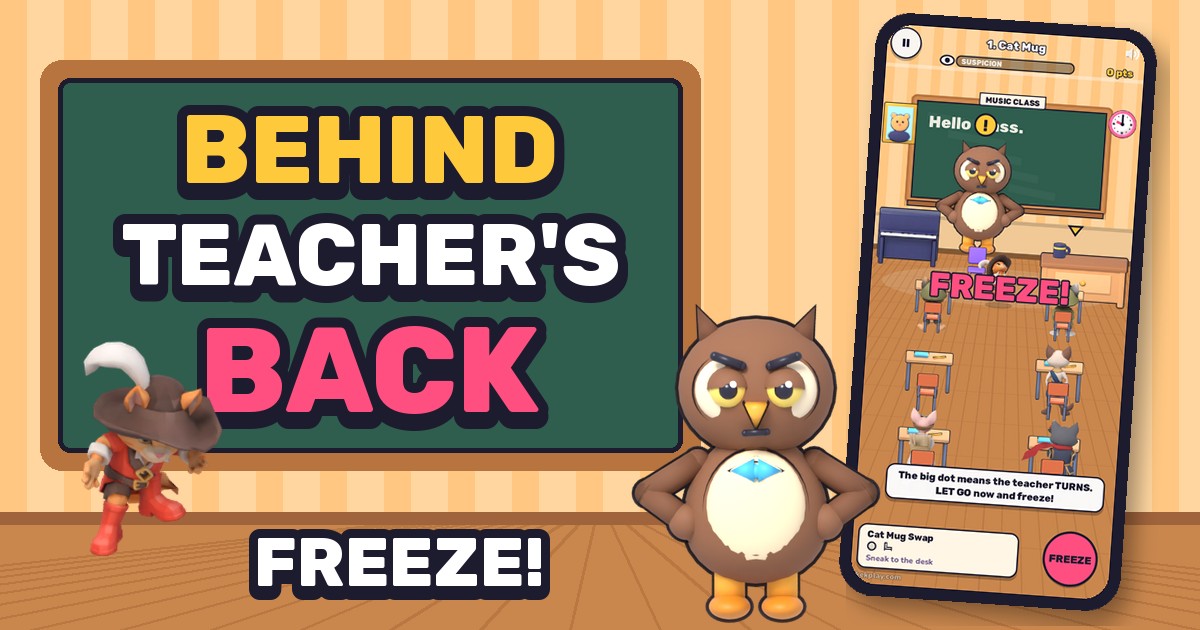
13. Behind Teacher's Back. The only teacher prank we recommend is this one. You play a cat or dog student building a harmless prank while the teacher writes on the board: a cat mug swapped for the boring one, a mustache on the portrait. The punctuation on the board tells you how the teacher will look back, so you know when to freeze. A warning sign also appears when the humming ends, so you can play muted. Classes are short, which makes it a good fit for a break.
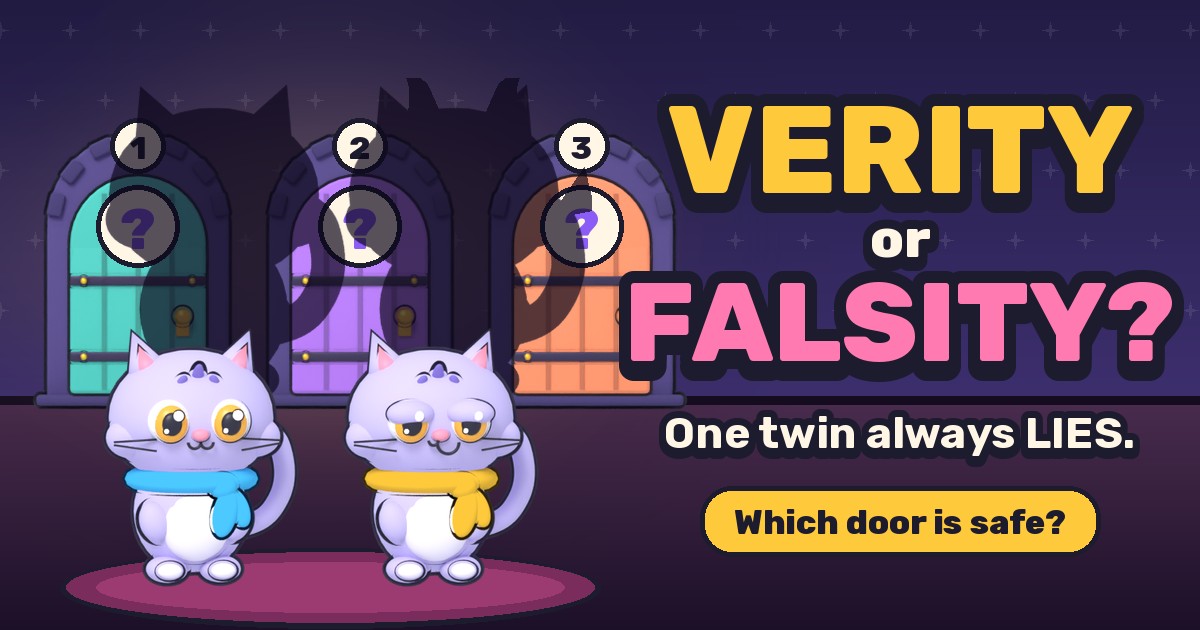
14. Verity or Falsity. Five truth-or-lie riddles a day. Two twins stand by three doors, one always tells the truth and one always lies, and you pick the safe door. No math, just logic, and there is a Kids mode with picture riddles. Teachers can put a riddle on the projector as a warm-up and let the class vote for a door.
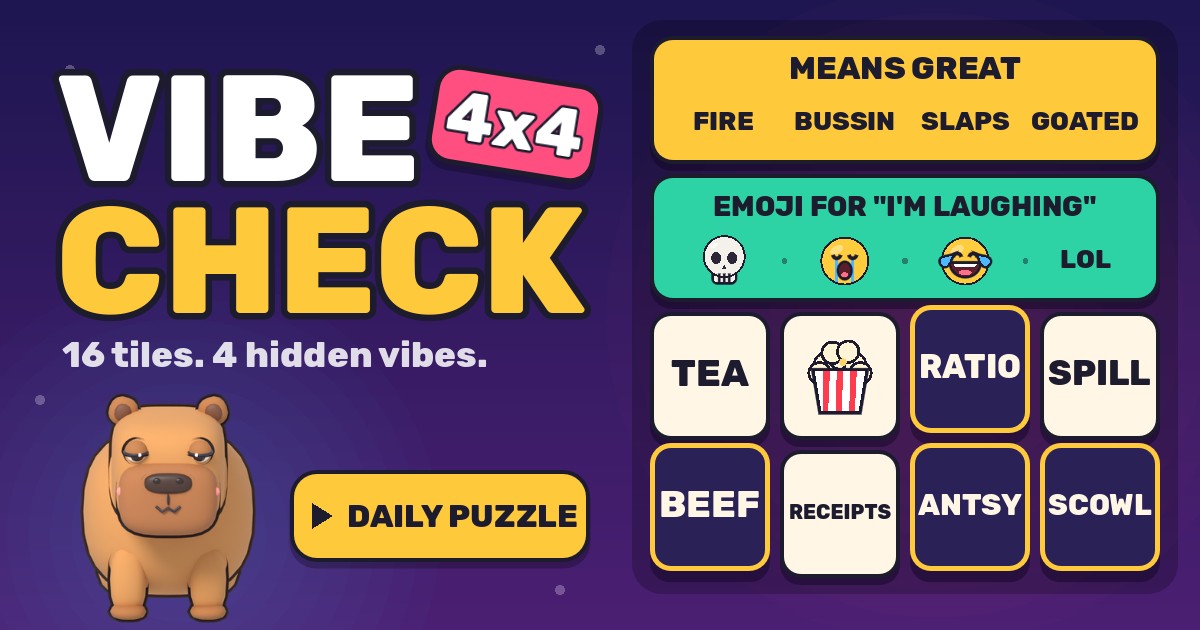
15. Vibe Check 4x4. Sort 16 slang, emoji and meme words into four groups of four, with four mistakes allowed. It works well on a projector with the class in teams. Every group you find explains what its words mean, which can lead to some funny conversations between students and teachers.
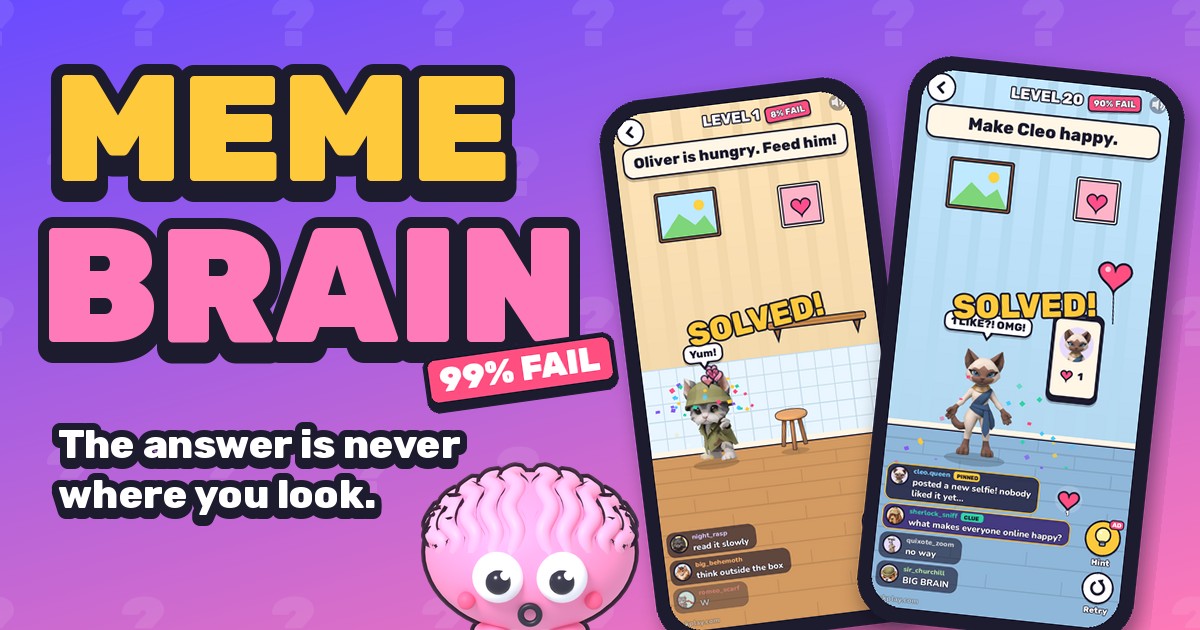
16. Meme Brain. Forty-five trick riddles where the obvious answer is almost always wrong. Sometimes you drag a word out of the question, sometimes you tap the level number. It plays with a mouse alone, no keyboard needed, and your progress is saved in the browser so you can pick up next break.
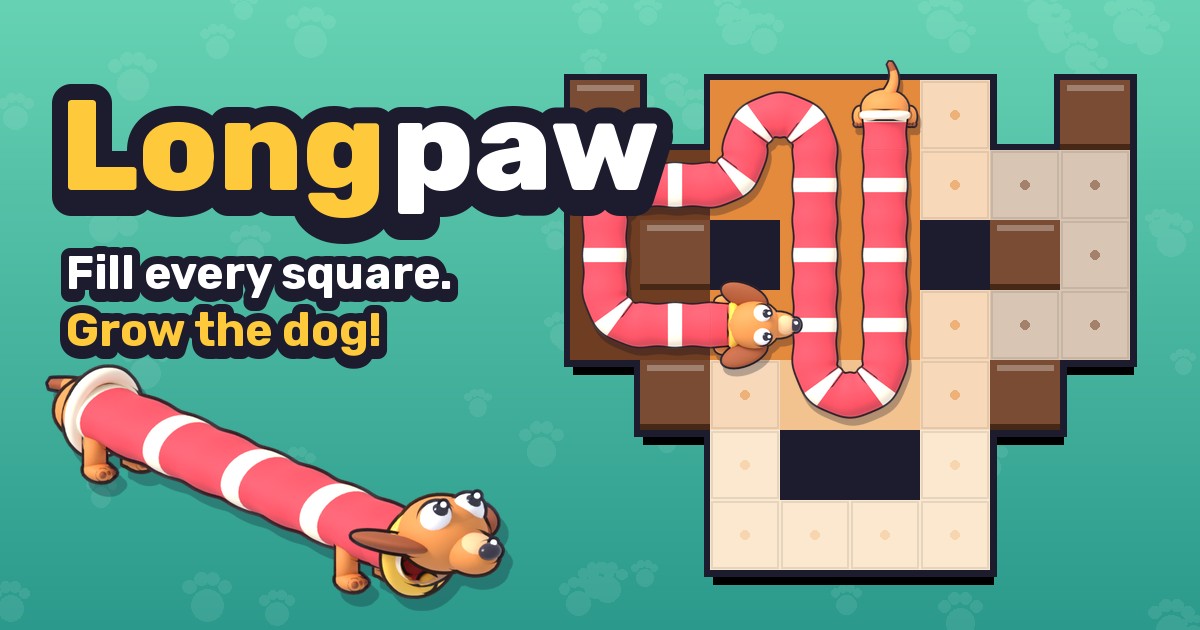
17. Longpaw. Guide Frank the dachshund so his body fills every square of the grid in one path. Levels take 20 to 60 seconds, and there is a new Daily Walk every day. Short levels mean you can stop the moment the bell rings.
18. Chord Sort. A ball sort puzzle where each color also has its own shape, so it plays fine on mute. Tap a tube, tap another, and get four of a kind in every tube. Undo is free and unlimited.
Which game fits which moment
| Moment | Time | Good picks |
|---|---|---|
| Last few minutes before the bell | 3 to 5 minutes | Twenty Questions, one Verity or Falsity riddle |
| Indoor recess | 20 to 30 minutes | Four Corners, Silent Ball, Heads Up Seven Up |
| Finished early, room is quiet | 5 to 15 minutes | Longpaw, Chord Sort on mute, dots and boxes |
| Friday reward | 30 minutes | Draw and guess, Vibe Check 4x4 in teams |
| End of a unit | 20 minutes | Review quiz, vocabulary hangman |
Tips for teachers
- Start with a daily puzzle. Our daily games page has three new puzzles every day, the same for every player. A logic puzzle or a riddle on the projector gets a class focused in the first five minutes.
- Use a timer. Games end cleanly when everyone can see the clock.
- Tie it to the lesson when you can. Hangman, Twenty Questions and team quizzes all work with any subject.
- Make game time a reward. Five minutes at the end of class is a strong reason to finish the work.
Need more? Our list of riddles with answers is sorted from easy to impossible, and games to play when bored has twenty more ideas sorted by how much time you have. All our short break games are on the games for a break page.